by: André Corrêa do Lago and Bruce Douglas | Time.com
The world has spent decades debating how to transition away from fossil fuels. Three years ago, at COP28 in Dubai, 195 countries reached, by consensus, an unprecedented agreement to do so. Since then, we have seen both the cost of waiting and the opportunity to act.
From Intergovernmental Panel on Climate Change (IPCC) warnings to the recent confirmation by the United Nations Environment Programme that the world is set to overshoot limits needed to prevent some of the worst of global warming’s harms, change is imperative. Extreme weather events are becoming more lethal, frequent, and intense.
It is crystal clear to us that fossil fuel dependence is a liability, threatening energy security and economic development across the planet.
Yet the past year has also brought significant progress, showing how the transition away from fossil fuels is becoming a reality. After leaders gathered in New York for Climate Week and the UN General Assembly, there are several lessons we must carry into COP31—and reasons to accelerate action.
An emphasis on implementation
At COP30’s closing plenary, we announced a roadmap to transition away from fossil fuels by 2050. It examines the barriers societies face, the finance and policies they need, and the different pathways available to them, recognizing that countries start this transition from very different points.
Our agenda was also restructured to accelerate implementation of the Paris Agreement, uniting the world around solutions. A new two-tier multilateralism is already in motion. One speed is anchored in countries and consensus. The second, which does not require consensus, focuses on implementing the decisions of the COPs.
In that spirit, COP30 stimulated coalitions under the Global Climate Action Agenda, such as the one that organized the Santa Marta Conference, convened by Colombia and the Netherlands. The subsequent report set out options for national planning, investment, and international cooperation.
These efforts are building the foundations for our future beyond oil, gas, and coal. The test now is whether they help countries turn commitments into action.
An early answer came last month when Germany became the third country, after France and the Netherlands, to publish a national roadmap for transitioning away from fossil fuels. At the UN General Assembly in New York, Environment Minister Carsten Schneider presented the roadmap to phase out oil, coal and gas by 2045, framing fossil fuel dependence as a costly vulnerability.
Our fossil fuel dependence laid bare
When the war against Iran disrupted shipping through the Strait of Hormuz, the consequences reached far beyond the region. Brent crude prices rose above $100 a barrel, putting pressure on fuel costs worldwide, squeezing government and household budgets alike. Since the start of the crisis, inflated prices for oil and gas have cost an extra $1.83 billion per day to importers with no additional benefit.
Spain and Brazil show that this vulnerability can be reduced. By late April, benchmark wholesale electricity prices had risen more than 20% in some European countries. In Spain, where renewables supplied nearly 60% of electricity, prices had fallen. Its investment in renewable power helped cushion the shock, showing how the choices countries make about their energy systems can protect them from fossil fuel volatility. In Brazil, the country with the largest proportion of renewables in the energy mix in the G20, the impact of prices has also been far less severe, as most drivers have the option to choose sustainable ethanol instead of gasoline at pumps nationwide.
Our overreliance on fossil fuels has become unavoidable, undeniable, and unsustainable.
Renewables are the world’s leading source of electricity
The clearest evidence yet that we have reached a positive tipping point for our power systems arrived in April, when the global energy think tank, Ember, released an annual review confirming that renewables overtook coal as the world’s leading source of electricity in 2025.
Renewable energy truly is the growth story of our time: powering economies, creating jobs, and strengthening competitiveness. Countries that build abundant, affordable renewable power, and the networks to deliver it, can attract the industries and investment of the electric age. And produce at scale the non-fossil fuels to decarbonize hard-to-abate sectors such as air and maritime transport.
According to the United Nations, every dollar invested in renewable energy creates up to three times as many jobs as a dollar invested in fossil fuels—making the transition an opportunity to build livelihoods as well as energy security.
The challenge ahead
In 2025, the world added more renewable electricity capacity than in any previous year, but deployment must accelerate. To meet this global imperative, we must double the amount of renewable power currently deployed on our grids in the next four years.
We must also scale the electrification of energy, transport and industry to strengthen energy security, improve efficiency and boost competitiveness. Earlier this year, we launched the Electrify Now campaign to advance this effort. The incoming COP31 Presidency has also proposed increasing electricity’s share of global energy use to 35% by 2035. The challenge now is to turn this momentum into improvements people can see: electric buses on city streets, cleaner heat for homes and factories, reliable electricity for communities still without it, sustainable fuels replacing fossil ones in sectors where electrification is challenging.
Delivering those benefits requires renewable energy as well as stronger grids, storage, and institutions able to coordinate their development. Without effective planning, projects can wait years for connections, and renewable resources fail to reach the people who need them.
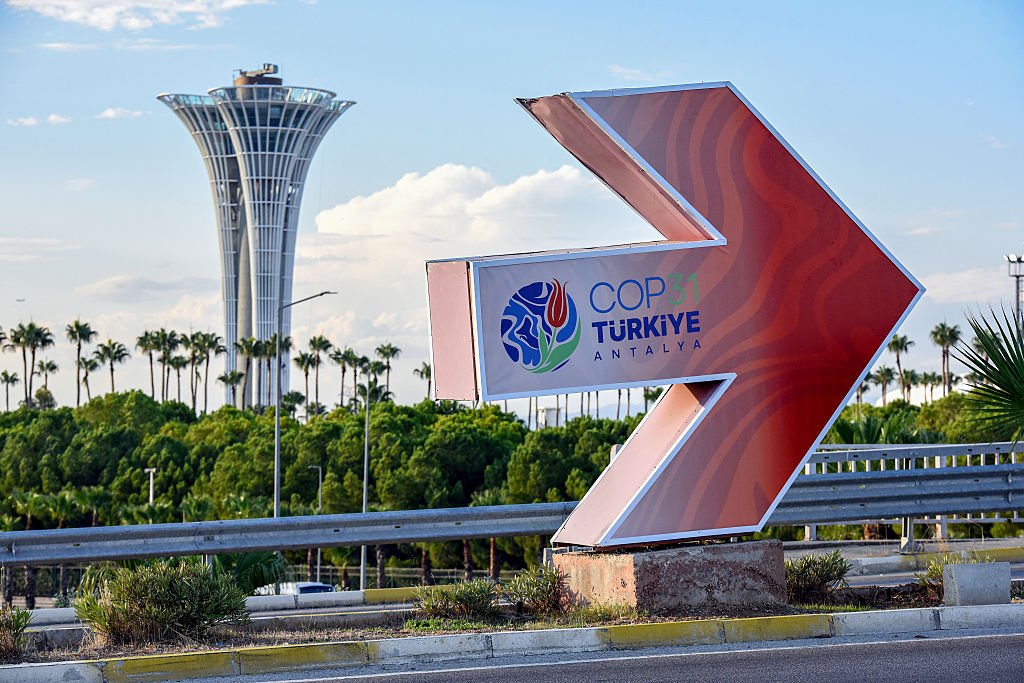
At COP31 in Antalya, Turkey, we shall strengthen credible plans, or commitments to develop them, for clean electrification within wider energy and economic strategies. Those plans must reflect national circumstances, be built in dialogue with society, and set out how national and subnational governments, together with business and many other actors, will expand infrastructure and stimulate investment.
Business must match those commitments with capital, technology, and training. International financial institutions must help countries facing high borrowing costs secure affordable finance. Workers and communities affected by the transition need support to share in its benefits.
What matters is what changes beyond the negotiating halls: more secure, affordable energy, better livelihoods, and less exposure to the next fossil fuel crisis. The task ahead is vast and calls for systemic change, but the direction is set, and the tools are at hand.