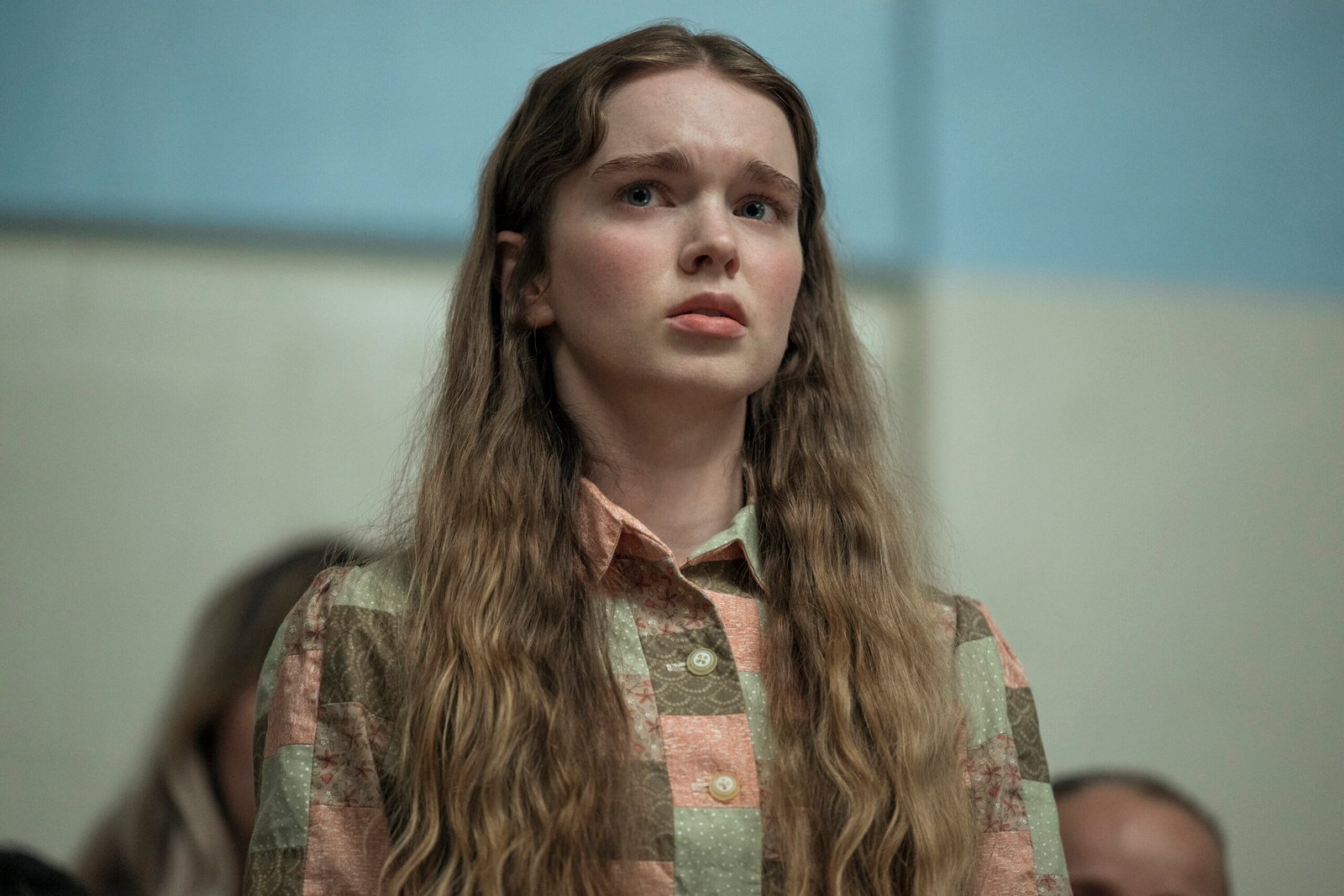
by: Megan McCluskey | Time.com
Warning: This post contains spoilers for the finale of Carrie, now streaming.
If you ever wished Stephen King’s Carrie was actually a story about a telekinetic teenager getting whisked away from the violence and isolation of her sheltered small-town life to join a secret society of fellow psychic outcasts, then the ending of Prime Video’s new eight-episode Carrie series may appeal to you. But if you were hoping for an adaptation that more meaningfully captures the tragic finality of King’s 1974 novel, showrunner Mike Flanagan’s open-ended take on the horror classic may leave you feeling a bit frustrated.
Over the course of the past decade, Flanagan has made a name for himself as one of the genre’s leading auteurs with a steady output of Halloween season Netflix horror series, which ranged in quality from the superb Haunting of Hill House (a modern reimagining of Shirley Jackson’s acclaimed 1959 novel) and Midnight Mass (an original work in the vein of King’s Salem’s Lot) to the disappointing Midnight Club (a remix of the the YA horror novels of Christopher Pike). Prior to taking on Carrie, Flanagan also received high praise from King for his film adaptations of Gerald’s Game (a book that was long considered unadaptable) and The Shining sequel Doctor Sleep (which bridged the divide between Stanley Kubrick’s 1980 film and the author’s literary universe).
However, Flanagan apparently had reservations about putting his own spin on a property as well-trodden as Carrie, especially considering how beloved Brian de Palma’s 1976 Sissy Spacek-led film remains to this day. “It initially started as a conversation that Amazon initiated, and they said, ‘Hey, would you have any interest in Carrie?,’” he told MovieWeb in 2024. “And I had to think about it, because my first instinct is always—why? It’s been done perfectly by De Palma. It’s then been done three other times after the fact. Why do it again?”
But he ultimately came to the conclusion there was an opportunity to reframe the story through a modern lens in a way that would bring new relevance to King’s themes. “Carrie is a story about high school violence and bullying, and that feels immediate and important today. Unfortunately, even more kind of sharply relevant than I think it was when he wrote it,” Flanagan said. “So there felt like a chance for some true modernization beyond just changing the time period, and to use it to talk about the issues that affect high school kids in America today. You know, Carrie White walking through a metal detector is interesting to me. Carrie White with social media. The iconic scene in the locker room is very different when people have phones in their hands. So that was the first germ of an idea, like, there is room for this to actually have a lot to say that’s very relevant.”
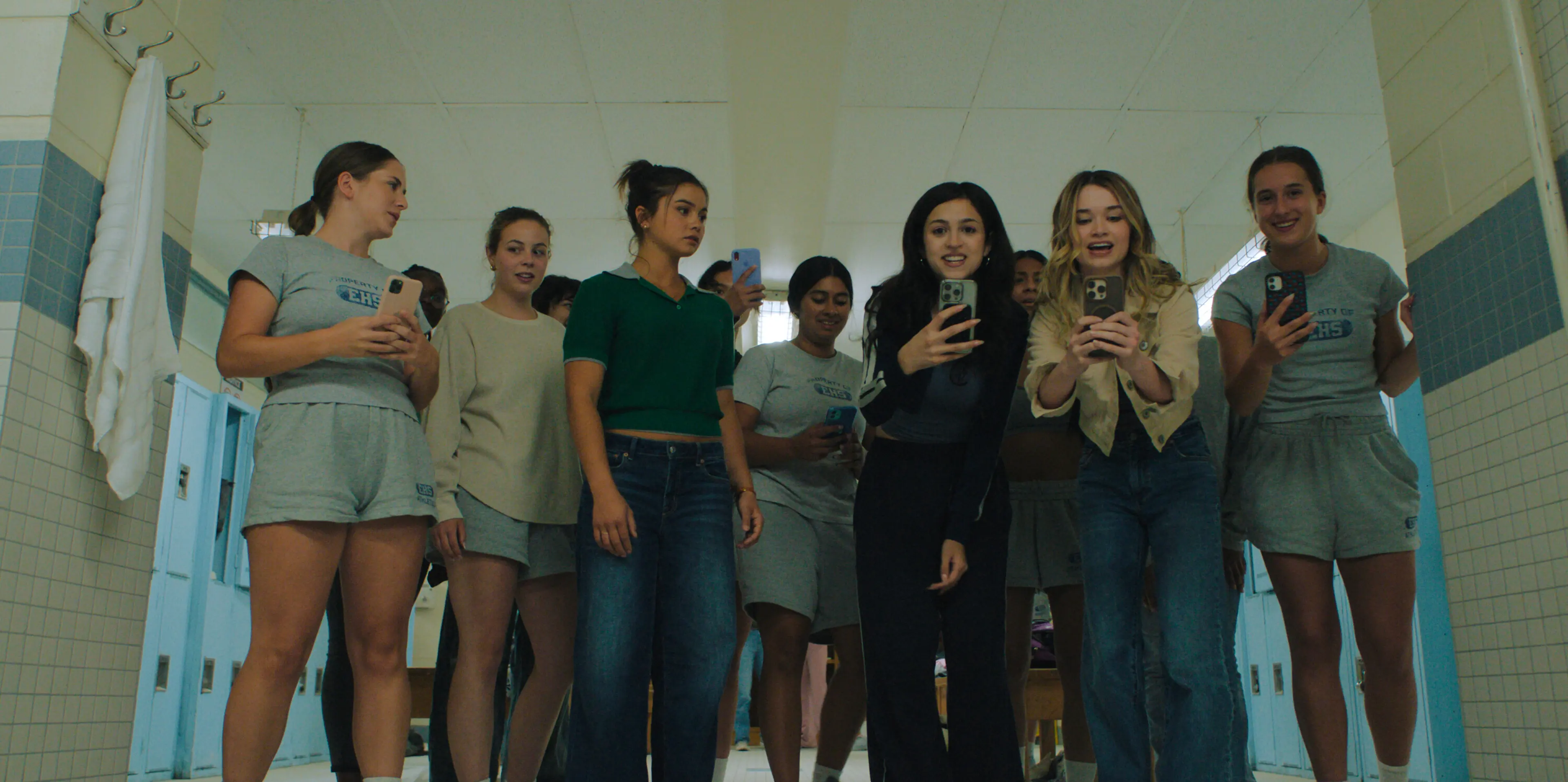
The girls of Ewen High School torment Carrie in Carrie. Prime
To that extent, the series achieves what it set out to do. Following an open sequence in which we learn Carrie’s conspiracy-theorist father Ralph White (Tahmoh Penikett) was killed in a bizarre accident while at work on a construction site, Carrie (Summer H. Howell) is introduced as a naive yet overly good-natured bookworm who has lived out the first 16 years of her life sequestered at home under the care and tutelage of her overbearing religious mother Margaret (Samantha Sloyan). Carrie is ignorant to the realities of teenage life, including the workings of social media, the threat of school shootings, and, as a young woman coming of age, the concept of getting a period. Once she begins her court-ordered attendance at local public high school Ewen High, Carrie gets acquainted with resident popular girls Sue Snell (Siena Agudong) and Chris Hargensen (Alison Thornton). Chris soon launches a targeted cyberbullying campaign against Carrie to take out her frustration and rage over her own family woes and fracturing home life.
From there, the show hits the signature beats of King’s story, including the infamous locker room incident, prayer closet punishments, and, of course, the pig’s blood prom prank and ensuing fiery massacre, while also reinterpreting and expanding on the motivations of a number of characters. However, the addition of a totally new storyline in which Carrie is being recruited by a shadowy collective of psychically powered women led by the mysterious Adelaide (Flanagan’s wife and frequent collaborator Kate Siegel) ultimately leaves the show feeling somewhat bloated and unsatisfying.
After Carrie is finally pushed to her breaking point by her prom humiliation, she uses her telekinetic powers to yank down the scaffolding where Chris and her partner-in-crime Billy Nolan (Arthur Conti) were hiding with their buckets of blood, accidentally bludgeoning and killing her date, Tommy (Joel Oulette), in the process. Horrified by what she’s done, Carrie then allows astral projector Emaline (Thalia Dudek) to take over from inside her mind and use her abilities to wreak havoc and destruction on Ewen High and the surrounding town of Chamberlain. In King’s book, Carrie executes her vengeance all on her own, never encountering another psychic.
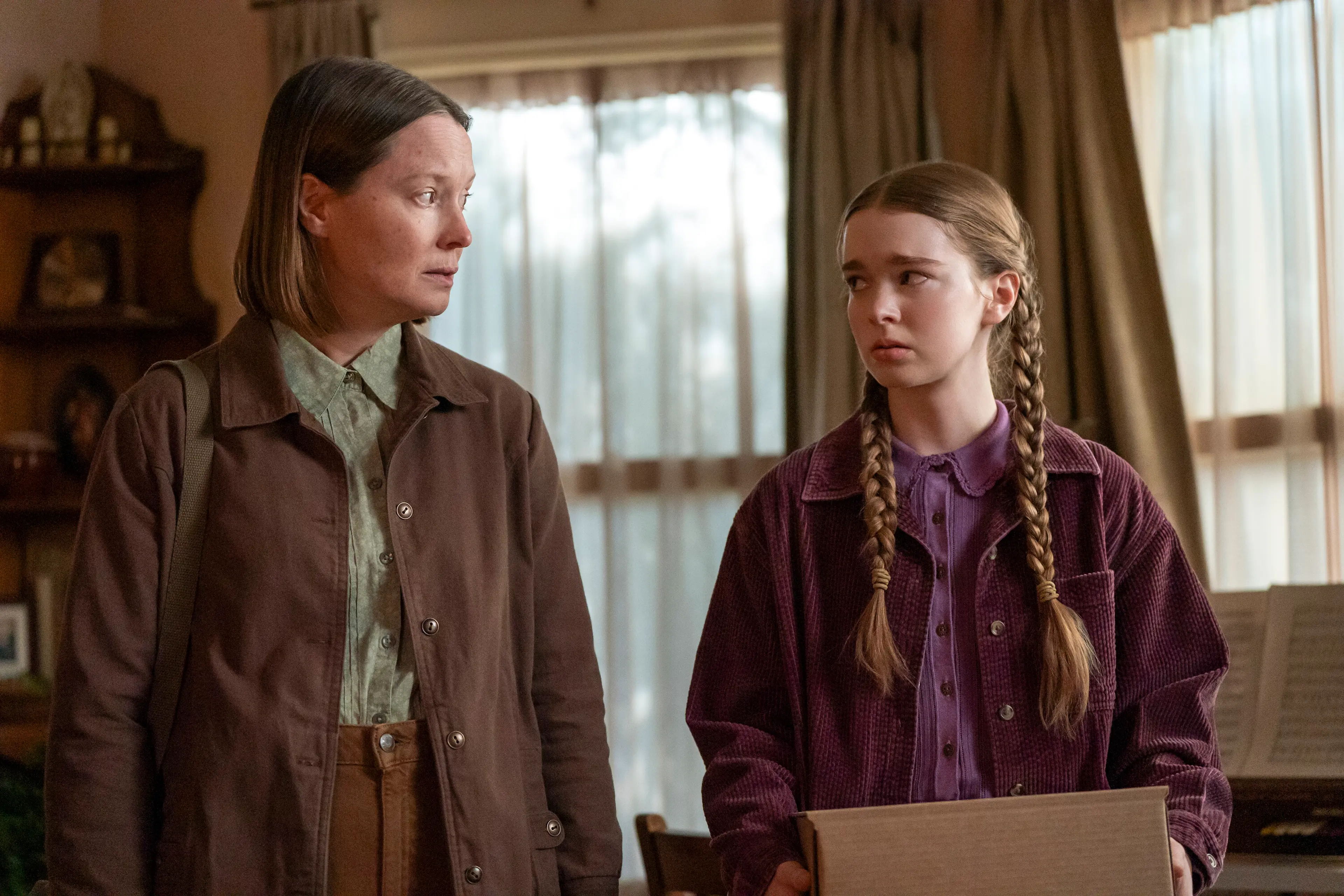
Samantha Sloyan as Margaret White and Summer H. Howell as Carrie White in Carrie. Liane Hentscher—Prime
When Carrie returns home after killing Billy and Chris (the only two murders she is fully in control of her powers for), Margaret attempts to put a stop to her daughter’s reign of terror by stabbing her through the ear. But Carrie psychically rebuffs the attack and brings their home crashing down around them, trapping Margaret in the rubble. In the book, Carrie kills her mother by telekinetically stopping her heart, but later bleeds out and dies from her stab wound, bringing the tragedy of King’s indictment of societal cruelty and institutional failure full circle. In the show, both Margaret and Carrie survive, with the former demonstrating she possesses some latent powers of her own by calling on them to keep the house from crushing her and the latter being spirited out of town by Emaline to join the network of other psychics. Adelaide, who has been posing as a documentary filmmaker interviewing the survivors of that fateful night, ends up being the one to kill Margaret using the same method Carrie does in the book.
This ending leaves Carrie’s future entirely up in the air, opening the door for Flanagan to take her story in a variety of new directions. And considering he made sure to have Adelaide mention the existence of “the shine,” a reference to the psychic ability young Danny Torrance possesses in The Shining that allows him to see ghosts, communicate telepathically, and demonstrate clairvoyance, it seems as though the show might be setting up some future King universe crossovers. While Prime has yet to officially renew Carrie, Flanagan has said his “dream scenario” is for the story to play out over three seasons. “I think Carrie has a wonderful three-step arc,” he told Collider. “It’s a trilogy, really.”